Home
/
Release agents and coatings for foundries
/
Diecasting release agents
Home
/
Release agents and coatings for foundries
/
Diecasting release agents
Products
 Diecasting release agents
Die-casting release agents: function and benefits
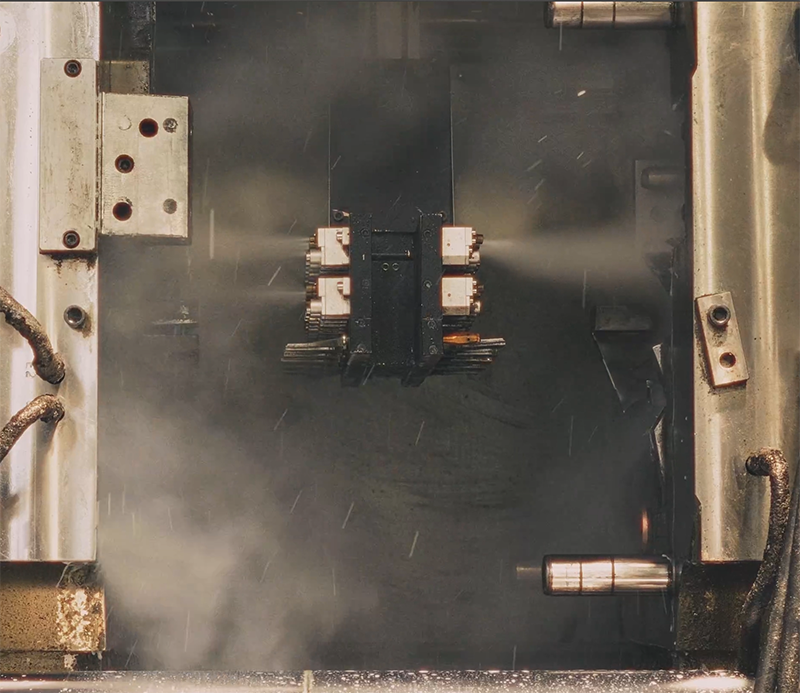
Die-casting release agents are essential products in metal casting processes—particularly for aluminum, zinc, and magnesium—to ensure part quality and mold longevity. Their primary function is to create a barrier between the molten metal and the mold surface, preventing adhesion and facilitating the extraction of the casting.
Key characteristics
High-temperature resistance: they must withstand contact with molten metals at temperatures exceeding 600°C.
Lubrication: they reduce mold wear and improve the part's surface finish.
Mold protection: they prevent corrosion and residue buildup.
Types of release agents
Water-based: more eco-friendly and safe; they reduce emissions and fire risks.
Solvent-based: used in specific applications requiring rapid evaporation.
Concentrated or ready-to-use: selected based on production requirements and mold characteristics.
Operational benefits
Improved casting quality.
Reduced cycle times thanks to quick, clean release.
Extended mold life, resulting in lower maintenance costs.
Choosing the right release agent depends on factors such as the alloy type, mold complexity, and operating conditions. Uniform, controlled application is essential for achieving optimal results.


Shown 1 - 2 of 2 Products